
The introduction of personal digital devices—smartphones, tablets, and laptops—into the academic environment has created a profound and multifaceted challenge for educators, administrators, and parents alike. These gadgets, which encapsulate the entire digital world, represent a double-edged sword: on one hand, they offer unparalleled access to information, sophisticated learning tools, and platforms for global collaboration, promising to personalize education and prepare students for the demands of the modern workforce.
On the other hand, the unfettered presence of personal devices introduces monumental distractions, amplifies social and economic inequalities, and creates new avenues for cyberbullying and academic dishonesty, threatening to undermine the very focus and fairness the classroom strives to maintain. Simply banning these devices entirely is often viewed as a technologically regressive solution, disconnecting students from the essential digital fluency required in the 21st century.
Conversely, allowing unrestricted use can turn classrooms into zones of divided attention, where notifications perpetually pull focus away from deep, meaningful learning and interaction with peers and instructors. The fundamental dilemma lies in finding the critical balance: how can educational institutions harness the immense power of these learning tools while mitigating their significant social and ethical risks? The answer does not reside in outdated policies of wholesale prohibition, but rather in establishing clear, comprehensive frameworks centered on digital citizenship, responsibility, and ethical usage.
Addressing this requires a societal shift, teaching students not just the mechanics of the technology, but the moral and cognitive discipline necessary to wield these powerful tools wisely and constructively within a shared educational space. This is an imperative for preserving the sanctity and effectiveness of the learning environment.
I. The Ethical Crossroads: Benefits vs. Barriers
Understanding the conflict posed by personal devices requires a clear examination of their immense potential alongside their undeniable risks within the school setting.
A. The Academic Potential of Personal Devices
When integrated thoughtfully, personal gadgets can revolutionize learning by providing personalized, on-demand resources and powerful organizational tools.
A. Access to Infinite Information
A smartphone instantly grants students access to the world’s knowledge base, allowing for immediate fact-checking, in-depth research, and exploration of topics far beyond the scope of a single textbook. This fosters curiosity and independent inquiry.
B. Personalized and Adaptive Learning
Mobile applications and platforms (as seen with MOOCs or educational apps) provide adaptive learning experiences tailored to a student’s pace and skill level. This allows for individualized practice and remediation that a single teacher cannot manage manually.
C. Organizational and Productivity Tools
Laptops and tablets facilitate efficient note-taking, document creation, calendar management, and file storage, teaching students essential skills for modern project management and professional organization.
B. The Significant Ethical and Social Barriers
The negative impacts often stem from the private, distracting nature of the devices and their potential for misuse.
A. The Distraction Epidemic
The greatest challenge is the constant presence of social media, games, and notifications, which hijack attention spans and severely hinder a student’s ability to engage in deep, sustained focus—a crucial skill for complex learning.
B. Academic Dishonesty
Personal devices facilitate new forms of cheating, from instant communication during exams to the use of AI tools for generating essays or solving complex problems, making fair assessment increasingly difficult for educators.
C. Socio-Economic Equity Gaps
Mandating the use of personal devices creates a digital divide. Students from less affluent backgrounds may not have access to the latest, fastest, or most reliable technology, or consistent home internet, reinforcing existing educational inequalities.
D. Cyberbullying and Social Conflict
The school environment becomes a potential vector for cyberbullying, non-consensual photography, and other social conflicts that originate or escalate through digital communication, requiring significant administrative time and emotional toll.
II. Establishing Ethical Boundaries: The Policy Framework
Effective schools move beyond simple bans and implement comprehensive Acceptable Use Policies (AUPs) that define clear expectations for digital citizenship and device management.
A. Defining “Appropriate Use” and “Device Status”
A functional policy must clarify when, where, and how devices are permitted and what status they hold during different learning activities.
A. The “Stoplight” System for Device Status
A clear, visual system helps regulate usage.
A. Red Zone (Off and Put Away): During tests, specific group discussions, or when the teacher is actively lecturing. Focus must be entirely on the instructor or materials.
B. Yellow Zone (Allowed for Specific Tasks): Used only when directed by the teacher for a specific, relevant task (e.g., checking a definition, using a calculator app).
C. Green Zone (Open Use): During independent research, designated work periods, or scheduled break times, assuming all school rules are followed.
B. Clear Guidelines on Digital Communication
Policies must explicitly prohibit non-academic communication, social media, photography, and recording during instructional time, safeguarding student privacy and maintaining focus.
C. Zero-Tolerance for Academic Misconduct
The AUP must clearly define what constitutes cheating (e.g., using a translation app during a language exam, using generative AI without permission) and outline strict, consistent consequences for violations.
B. Physical and Digital Management Strategies
Schools can employ technological and physical strategies to minimize temptation and enforce policy during critical learning periods.
A. Centralized Device Storage
In some classrooms, especially for younger students, schools may use lockable charging stations or “phone hotels” where personal phones are collected during core instructional time, reducing temptation and equalizing the learning field.
B. Network Filtering and Monitoring
Schools utilize robust network filters and monitoring software to block access to non-academic, distracting, or inappropriate websites (e.g., social media, gaming platforms) during school hours.
C. The “Bring Your Own Device” (BYOD) vs. 1:1 Model
Schools must choose the most equitable path. A 1:1 model (where the school provides every student with a device) ensures technological parity and allows for centralized control and content installation, circumventing the equity issue of BYOD.
III. The Cornerstone: Teaching Digital Citizenship
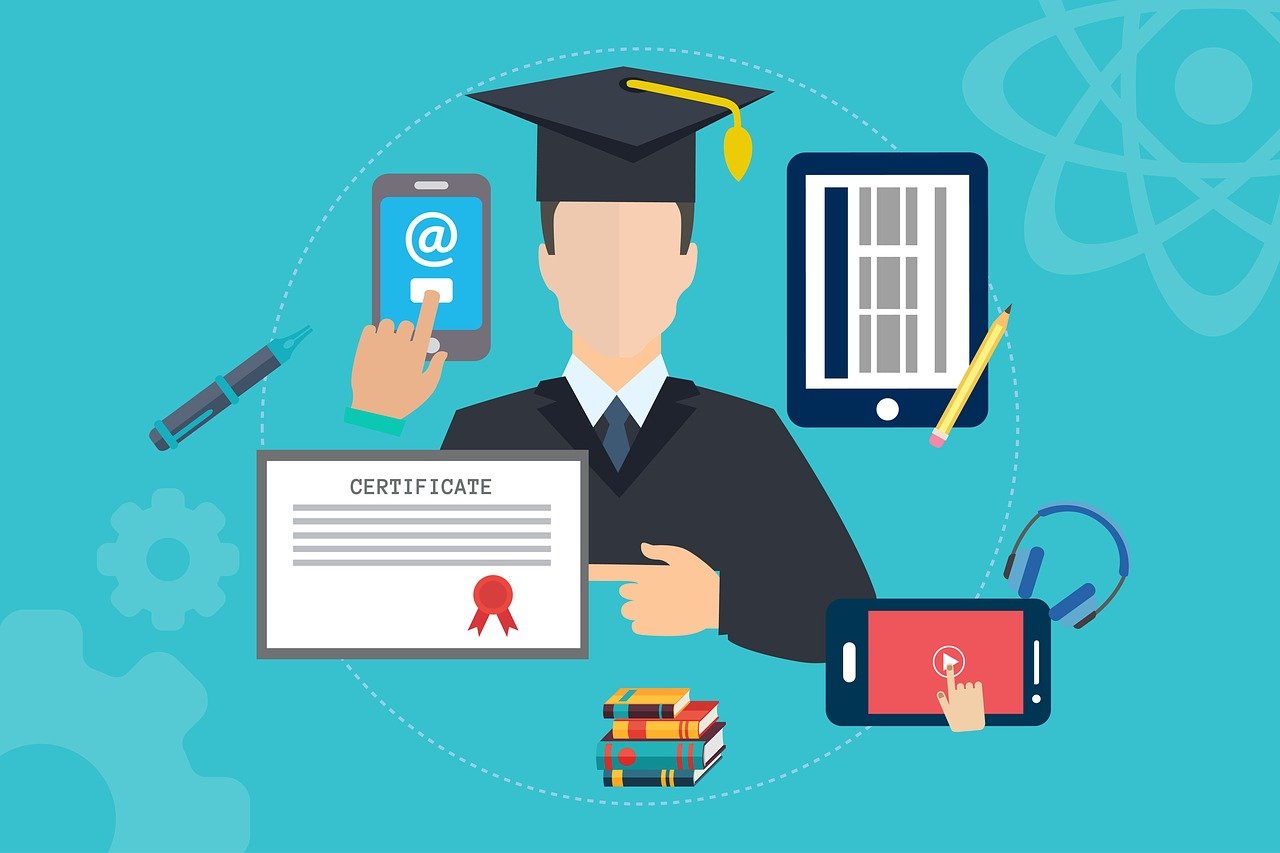
Ethical use is not simply about rules; it’s about developing internal discipline and moral awareness. Education must focus on developing responsible digital citizens.
A. Developing Self-Regulation and Focus
Students must be taught to manage their own attention and resist the powerful psychological pull of their devices.
A. Understanding the Dopamine Loop
Educate students about the neuroscience of distraction—how notifications trigger dopamine spikes—to help them understand the mechanics of their own attention and why the temptation is so strong.
B. Practicing Digital Detox
Implement mindfulness exercises or focused work strategies (like the Pomodoro Technique) that train students to commit to periods of deep work without interruptions, reinforcing the value of sustained concentration.
C. The “Intentional Check”
Encourage students to pause before checking a device and ask: “Is this action serving my current learning goal, or am I seeking a distraction?” This promotes metacognitive control over their digital habits.
B. Ethical Content Creation and Sharing
Students need to understand the social and legal ramifications of their digital actions, particularly concerning privacy and content ownership.
A. Respecting Digital Footprints
Teach students that everything posted or shared online leaves a permanent, searchable digital footprint that can affect future opportunities, emphasizing the need for respectful and thoughtful communication.
B. Intellectual Property and Plagiarism
Beyond academic honesty, students must learn about copyright, fair use, and the proper ethical standards for citing and using online content, photos, and digital media, especially concerning generative AI output.
C. Empathy in Digital Communication
Discuss the concept of “digital empathy,” teaching students to consider the emotional impact of their words and actions on others online, recognizing that tone is easily lost in text-based communication.
IV. Addressing the Academic Dishonesty Challenge
The rise of advanced AI tools necessitates a fundamental rethinking of assessment strategies to ensure devices are used for learning, not cheating.
A. Reimagining Assessment in the Digital Age
If devices are always available, exams and assignments must be designed so that rote memorization is minimized, and cheating is rendered irrelevant.
A. Open-Book, Open-Web Exams
Design assessments that require higher-order thinking—analysis, synthesis, and evaluation—rather than simple recall. If the answer is easily searchable, the question is ineffective. Questions should ask students to critique information found online, not just retrieve it.
B. Process-Focused Grading
Shift grading emphasis from the final product to the process of creation. For an essay, teachers might grade the initial research notes, the outline, the first draft, and the final reflection, making it difficult for an AI to generate the entire traceable process.
C. Integrating Digital Tools into the Solution
Actively teach students how to use AI tools (like large language models) as aides—for brainstorming, summarizing, or providing feedback—but require that the final work demonstrates their original intellectual input and synthesis, clearly defining the line between assistance and plagiarism.
B. Teacher Professional Development
Educators must stay ahead of the technology curve to effectively manage digital tools in their classrooms.
A. Continuous Training on New Threats
Teachers require regular professional development focused not just on pedagogical tools, but on understanding new technologies (e.g., how AI detection software works, how deepfakes are created) to manage classroom threats effectively.
B. Leveraging Devices for Formative Assessment
Encourage teachers to use devices for low-stakes, real-time formative assessments (using tools like Kahoot! or Mentimeter) that provide instant data on student understanding, making the devices integral to the learning loop.
C. Modeling Responsible Use
Teachers should consistently model appropriate and focused device use. If the teacher is constantly distracted by their own phone, they cannot credibly enforce focused behavior among students.
V. Policy Adaptation and Future Proofing
The nature of digital technology means that school policies must be flexible, regularly reviewed, and adaptable to emerging trends.
A. Building a Consultative Policy Process
Policies are most effective when they are developed collaboratively and understood fully by all stakeholders.
A. Student and Parent Involvement
Include students (who are the ultimate experts on the technology) and parents in the policy drafting process. This ensures policies are realistic, understood, and supported by the home environment.
B. Annual Policy Review
Commit to reviewing the Acceptable Use Policy annually to address the rapid evolution of technology (e.g., the sudden rise of new social media platforms or AI capabilities). A fixed policy quickly becomes obsolete.
C. Clear Communication Channels
Ensure that the AUP is communicated clearly and repeatedly through multiple channels—student assemblies, course syllabi, parent meetings, and prominently displayed posters in classrooms.
B. The Future of the Learning Space
The eventual goal is to integrate technology so seamlessly that the “device problem” dissolves into a standard aspect of the learning environment.
A. The Seamless Interface
Future classrooms will rely on devices that are fully integrated into the school network for learning purposes, with non-academic functions automatically restricted by the educational platform itself.
B. Focusing on Digital Creation
The emphasis will shift from consuming content on devices to creating digital content (coding, multimedia projects, digital portfolios), turning the device into a tool for production, not just passive intake.
C. Promoting Digital Wellness
Schools will increasingly incorporate lessons on digital wellness, screen time management, and the connection between device use, sleep, and mental health, treating responsible technology use as a core component of overall well-being.
Conclusion: Cultivating Digital Discipline

The complex challenge posed by personal gadgets in educational settings demands a nuanced approach that transcends simple prohibition, seeking instead to cultivate deep digital discipline and ethical responsibility. These powerful tools offer immense pedagogical value, providing customized learning experiences and instant access to global knowledge, but their presence simultaneously introduces profound risks related to distraction, academic dishonesty, and social equity.
Effective solutions hinge upon the rigorous implementation of clear, collaborative Acceptable Use Policies and a dedicated educational strategy focused on developing responsible digital citizenship. By teaching students to manage their attention, understand the ethics of content creation, and recognize the long-term impact of their digital footprints, schools can transform these potential liabilities into assets.
The future success of education depends on integrating technology wisely. It requires empowering students to use these tools as instruments of deep learning. This strategic and ethical integration is necessary to prepare them for the challenges of the modern world.